
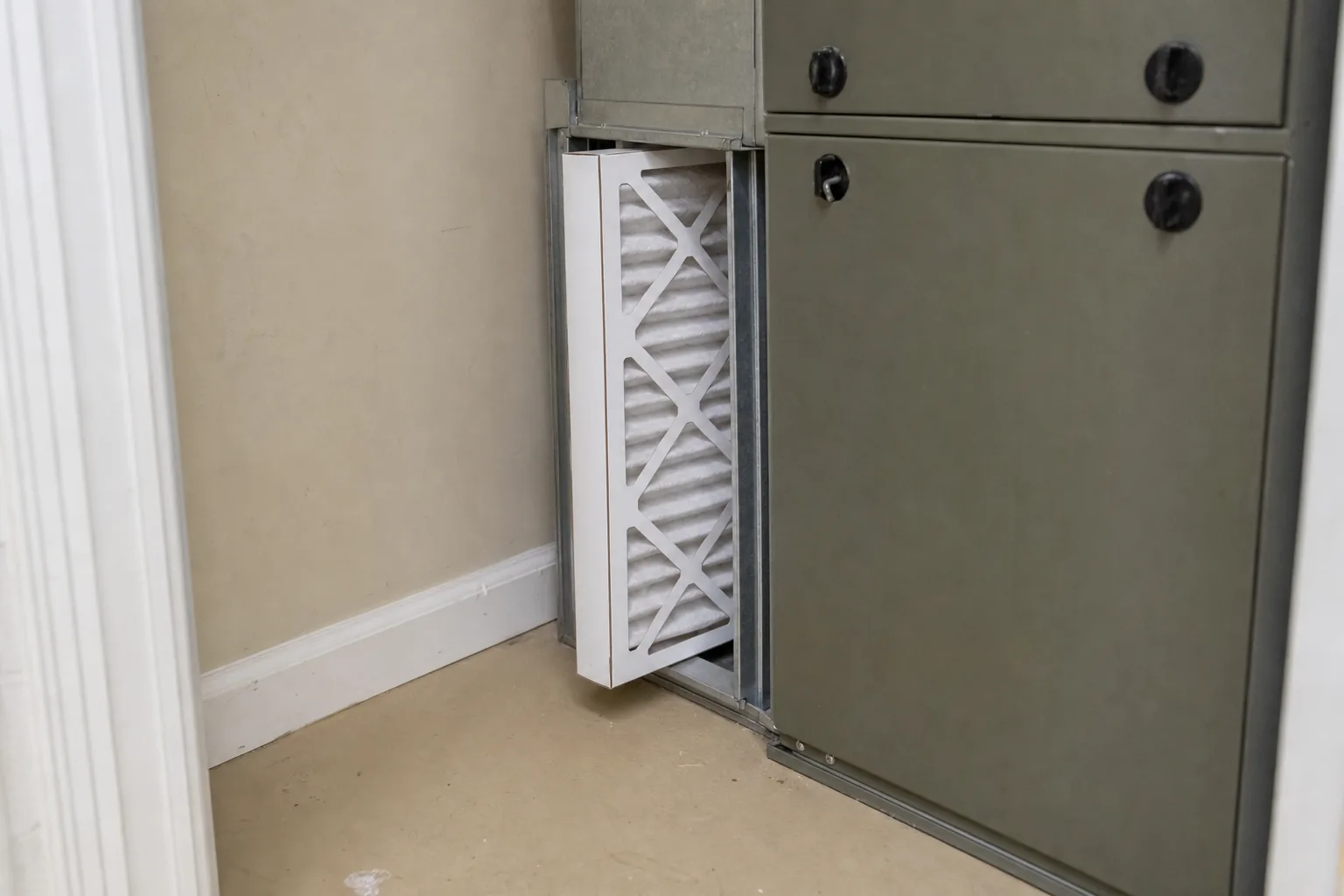
How One Spanish Fort Homeowner Caught Labor Day HVAC Audit Early
Conventional wisdom says book your Labor Day HVAC audit the week before the holiday. The Tuesday after often makes more sense. Here's why the timing matters in Spanish Fort.
Published 2026-09-04 · Updated 2026-09-04
Author: Landon Jahnke | ACExperts251
Reviewed by: Landon Jahnke · Owner · Alabama HVAC License AL #16117 · EPA 608 Certified
Conventional wisdom in Spanish Fort says the right time for a Labor Day HVAC audit is the week BEFORE Labor Day. The math actually runs the other way. The Tuesday AFTER Labor Day is usually the calmer, cheaper window.
The scenario below is a composite illustration drawn from 13 years working Baldwin County HVAC before founding ACExperts in 2026. The homeowner, the equipment, and the audit findings are representative of the fall-maintenance calls I field across the Eastern Shore — not a specific customer.
Here's why the conventional wisdom is backward and what a careful homeowner does differently.
The conventional argument and where it breaks
The pre-holiday booking logic sounds reasonable on its face. Get the system checked before the long weekend in case relatives come to town. Knock the maintenance out before the cooler weather arrives. Avoid the September service rush by getting in early. HOA newsletters around the Eastern Shore push the same message every August.
The logic is reasonable. The math is wrong.
The pre-Labor Day window — roughly the Wednesday and Thursday before the holiday — is one of the highest-demand maintenance booking windows of the entire calendar year. Every household that's been thinking about maintenance for three months suddenly converges on the same 48 hours. Every reputable HVAC company in Baldwin County is fielding the same surge. Pricing pressure reflects the demand:
- Diagnostic and audit fees: typically held flat, but credit-toward-repair offers tend to be more conservative during peak booking weeks.
- Refrigerant top-offs: priced against late-summer wholesale, which is the highest pricing tier of the year.
- Replacement parts: capacitors, contactors, fan motors — pulled from current inventory at current pricing, before the post-Labor-Day inventory cycle that brings in lower-tier pricing on the same components.
- Labor scheduling: peak demand means premium scheduling, which doesn't always show up as a rate increase but does show up as fewer same-day windows and longer arrival-time blocks.
Now compare the Tuesday and Wednesday after Labor Day:
- Diagnostic and audit fees: same.
- Refrigerant: wholesale pricing typically eases the week after Labor Day as suppliers clear summer inventory and rebalance for fall.
- Replacement parts: the post-holiday inventory cycle refreshes with new pricing.
- Labor scheduling: demand drops sharply post-holiday and same-day windows open back up, which means the audit happens without being squeezed between two emergency calls.
The differential isn't huge on a single audit with no flagged items. It can matter on an audit that produces a yellow or red flag — exactly the case where the homeowner is going to spend more than just the service fee.
The homeowner
A common version of this call: a Spanish Fort homeowner reaches out in mid-August asking when to book annual fall maintenance, on a variable-speed heat pump several years into its service life with original equipment. The question is the obvious one — whether to book before or after the Labor Day weekend, since the common advice points to "before."
The honest answer is: book the Tuesday after the holiday. The route through the Eastern Shore typically has more capacity that week, and the post-holiday pricing tier holds for any flagged work through the rest of September.
A homeowner who takes that advice books the Tuesday slot.
What the audit typically finds
A walkthrough audit like this runs well under an hour and, on a system this age, often produces one yellow flag and several greens.
Outdoor disconnect: typically green. Voltage steady, contacts bright, conduit seal intact.
Top of the condenser: usually green on a maintained unit. Fan blade clean, capacitor reading in spec, contactor face uncorroded. Coil clean, with little to no bay-side salt accumulation depending on proximity to the water.
Float switch and air handler closet: green when the safeties work. A healthy float switch shuts the system off in a few seconds when tested; the secondary drain pan is dry and the primary condensate line is clear with no biofilm at the cleanout.
Thermostat wiring: green on a clean install. Communicating or smart thermostat, 24V control voltage steady, terminals labeled and tight, C-wire connected and verified.
The common yellow flag on a system this age is the indoor evaporator coil — faint discoloration on the lower pass, consistent with early-stage formicary corrosion that shows up on coils entering year 7 to 9 in tight Spanish Fort homes with elevated indoor VOC concentrations from newer-construction outgassing. A coil at this stage isn't leaking yet and probably won't leak this fall. It's the kind of finding worth tracking before it becomes an emergency call in a summer to come.
What a homeowner does with that information
A yellow flag like this typically lays out three options on the report:
Option 1: Do nothing now. Schedule a follow-up coil inspection at the next spring maintenance visit. If the coil hasn't progressed, do nothing again. If it has, plan a coil replacement in the following fall off-season window.
Option 2: Schedule a coil replacement in the late-fall off-season — November through early December — when scheduling is open, refrigerant is at its lowest seasonal pricing, and the work happens on the homeowner's calendar instead of an emergency timeline. ACExperts provides a free written estimate at the visit.
Option 3: Replace the coil at the same trip, while the truck is on site.
The common choice for a coil that isn't leaking yet is Option 2 — scheduling the replacement for the off-season window. The work runs roughly half a day, the system is down during that window, and the new coil comes with a parts warranty that resets the corrosion clock.
What that decision avoids
Skip the audit entirely and let a coil like this develop an actual refrigerant leak the following summer — the most likely failure timeline given visible early-stage corrosion — and the emergency call runs considerably more than the planned off-season swap. Add the discomfort of the system being down for a day or two during scheduling, plus the conversation about whether to repair the coil or replace the whole system at year 9, plus the repair-vs-replace ROI math that compresses when emergency timelines are involved.
The Tuesday-after timing makes the same scope of work calmer and more affordable. The audit itself — booked at all, before a leak — saves a homeowner a much larger figure versus the most likely emergency timeline.
Why this dynamic is sharper in Spanish Fort
A few reasons Spanish Fort produces a wider pre/post-Labor-Day calendar differential than more rural parts of the service area:
Demand concentration. Spanish Fort has a higher density of scheduled-maintenance customers per square mile than the rural parts of Baldwin County. The pre-Labor Day demand spike is harder here, which means the post-holiday relief is also more pronounced.
Equipment tier. Stillwater, Rayne Plantation, and Stonebridge equipment trends toward higher tonnage and higher tier — variable-speed compressors, multi-stage furnaces, communicating thermostats. Higher-tier equipment means higher absolute dollars on parts and refrigerant, which means the percentage difference between peak and post-peak pricing translates to bigger absolute savings.
Bay proximity. Spanish Fort sits closer to Mobile Bay than the Stillwater address would suggest. Salt air is real here, and salt-air-related findings (cabinet corrosion, contactor pitting, condenser coil acid wash needed) are common audit flags. The Spanish Fort tight-build humidity post walks through the related humidity-control physics, and the Spanish Fort September filter swap reset covers the indoor-air-quality side of the same dynamic.
What to do if you've already booked pre-Labor Day
If the audit is already on the books for the days before the holiday, don't cancel — moving an existing booking to a different week is more friction than it's worth, and reputable contractors honor existing scheduled pricing. The post-Labor-Day savings are real for new bookings, not for already-confirmed visits.
If the audit hasn't been booked yet and Labor Day weekend is in the next 14 days, book the Tuesday after. Use the online scheduler or call 251-383-HVAC.
What the audit costs in Spanish Fort
ACExperts charges a $79 service fee for the diagnostic visit, with free second opinions on quoted repairs and free estimates on replacements. Comfort Plan members pay no service fee and get two tune-ups a year baked into the $20/month membership.
The conventional wisdom on Labor Day HVAC timing is built on a reasonable instinct — "get it done before the holiday" — but the math runs the other direction. The Tuesday after is calmer, the scheduling has more give, and the report produces the same checklist with the same flags. A homeowner who catches an early-stage coil flag this way schedules the replacement for November on her own calendar instead of an emergency one — and that's the win that matters more than any line-item savings.
The conventional wisdom is wrong. The Tuesday after Labor Day is the right call.
Disclaimer: This post is general information about seasonal HVAC maintenance timing, not specific repair recommendations for your home. Pricing, scheduling, and parts availability vary by season and supplier. ACExperts LLC, AL #16117, founded 2026.
FAQ
- Is the Tuesday-after timing real or a sales pitch?
- Over 13 years working Baldwin County HVAC, I've watched the pre-Labor-Day rush compress every maintenance shop's calendar. The post-holiday window typically has more open scheduling, less peak-demand pressure on parts pricing, and refrigerant pricing that has rolled past its late-summer high. Booking the Tuesday or Wednesday after the holiday is generally calmer for everyone — homeowner and tech alike.
- Why does Spanish Fort specifically have this dynamic?
- Spanish Fort has a higher density of households on scheduled maintenance plans than the regional average, which means the pre-holiday demand spike lands harder here than in more rural parts of Baldwin County. The resulting calendar pressure makes the post-holiday window noticeably more available in Spanish Fort than elsewhere.
- Will the system survive 4 extra days waiting?
- Yes — for any system that wasn't already in active failure. The audit is a preventive check, not an emergency repair. If the AC was running fine on Wednesday before Labor Day, it will run fine through the weekend and into the next week. The exceptions are systems already showing symptoms — short cycling, ice on the line set, water in the secondary drain pan — and those are not audit candidates anyway, those are emergency calls. Don't wait on a failing system.
- What does the audit actually catch in a Spanish Fort home?
- Spanish Fort housing concentrates on Stillwater, Rayne Plantation, TimberCreek, Stonebridge, and the surrounding subdivisions. Common audit findings in homes like these include humidity-control issues from oversized equipment cycling too short to dehumidify, return-air undersizing from production-builder shortcuts, evaporator coil pitting from formicary corrosion on aging coils, and salt-air degradation on outdoor cabinets within a mile of the bay.
Need this handled?
Straight to the service page for your town — pricing, local details and a form that reaches a technician.
More from Labor Day

ACExperts HVAC
We Take The Heat So You Don't Have To
Fast, honest heating and air service across Baldwin County. Speak with a technician and get on the schedule today.